Overview & Key Findings
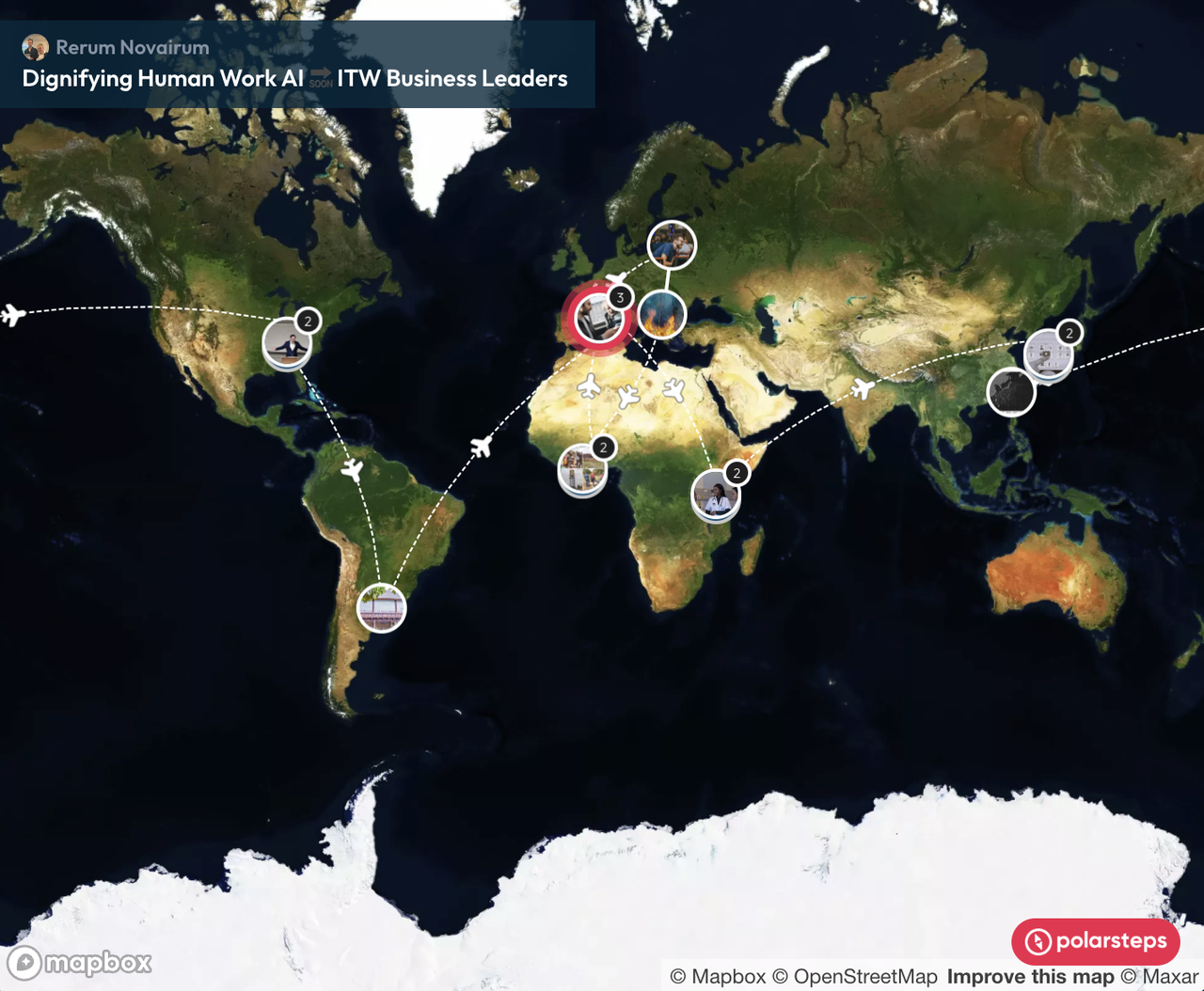
Exploring use-cases around the World
Follow the pilgrimage exploring how diverse communities are experimenting with AI to serve without enslaving
5 Questions to Christian Leaders
Perspectives on AI, dignifying work and Christian Social Thought
The Questionnaire
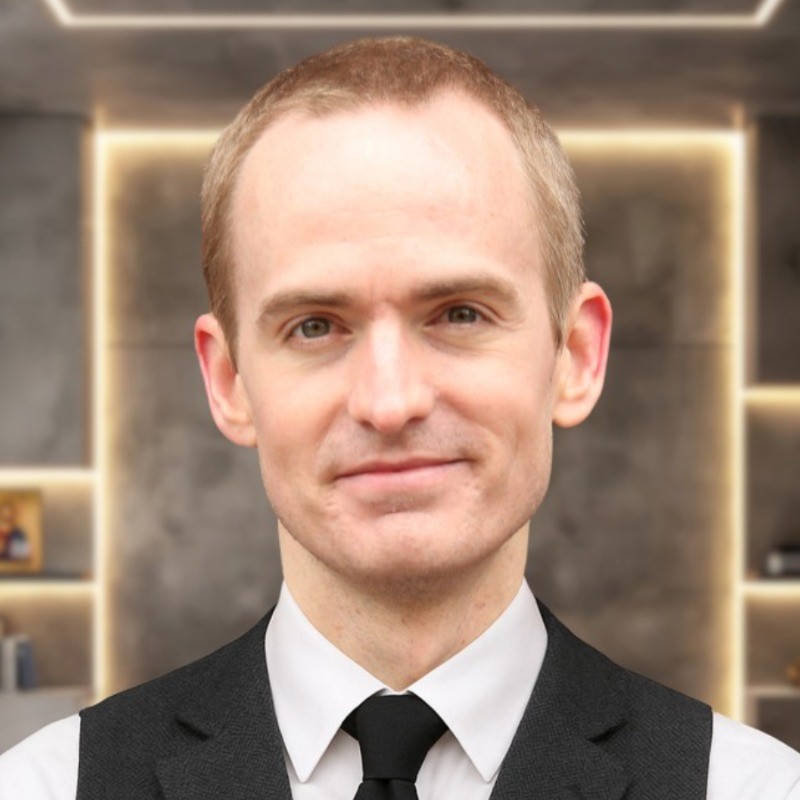
Matthew Harvey Sanders
CEO, Longbeard

Sister Helen Alford
President, Pontifical Academy of Social Sciences
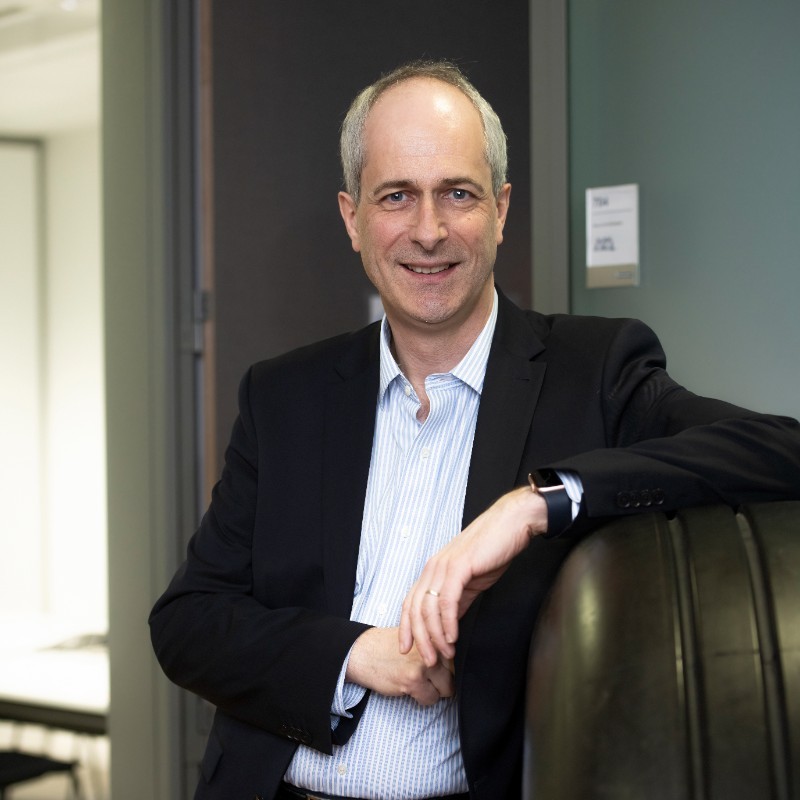
Yves Caseau
Michelin Group CDIO - French National Academy of Tech
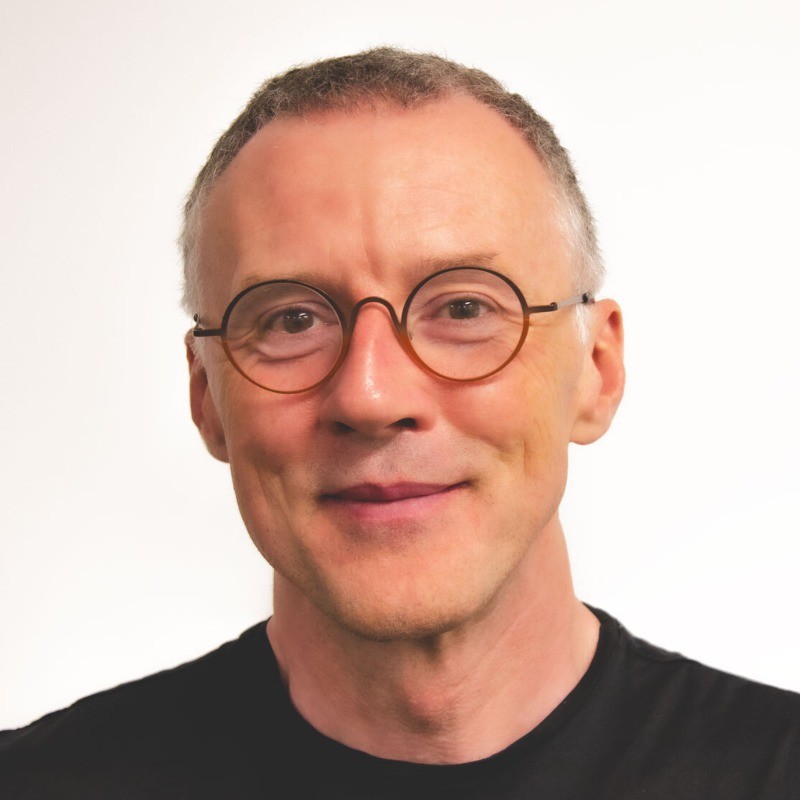
Wim Sweldens
Tech innovator & entrepreneur
Dominique Lambert
Physicist & philosopher
Mélanie Rieback
CEO, Radically Open Security
Benoit Gaillard
Senior GenAI professional
Mathieu Guillermin
Professor of tech ethics
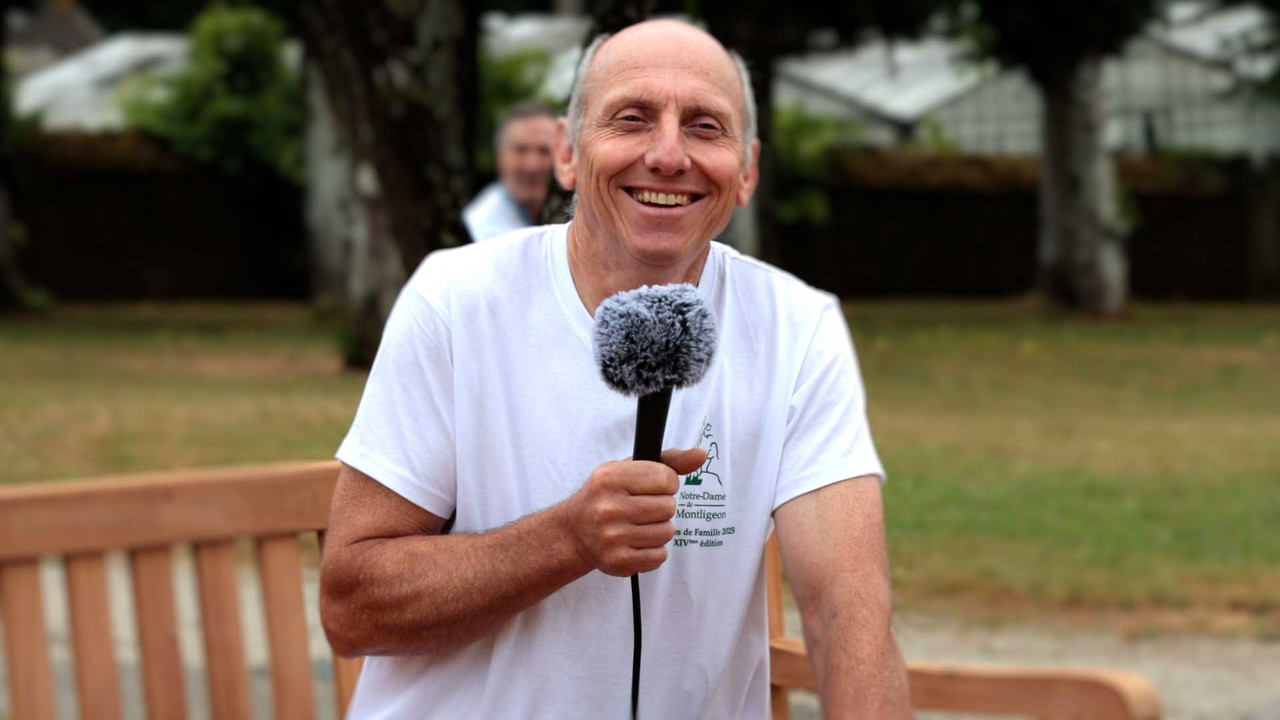
Hervé Bry
Airbus engineer
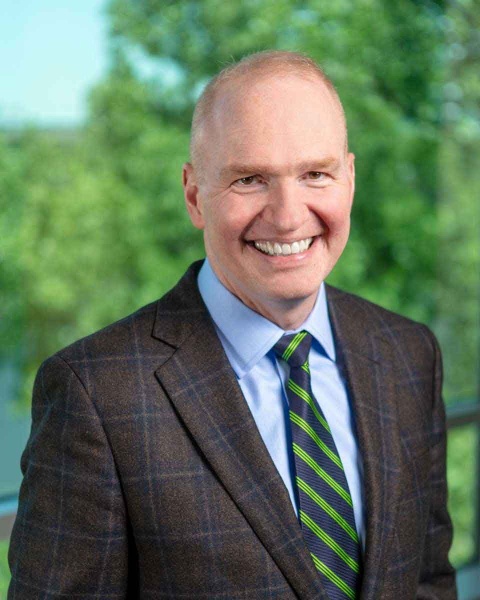
Stephen Barrows
COO & economist, Acton
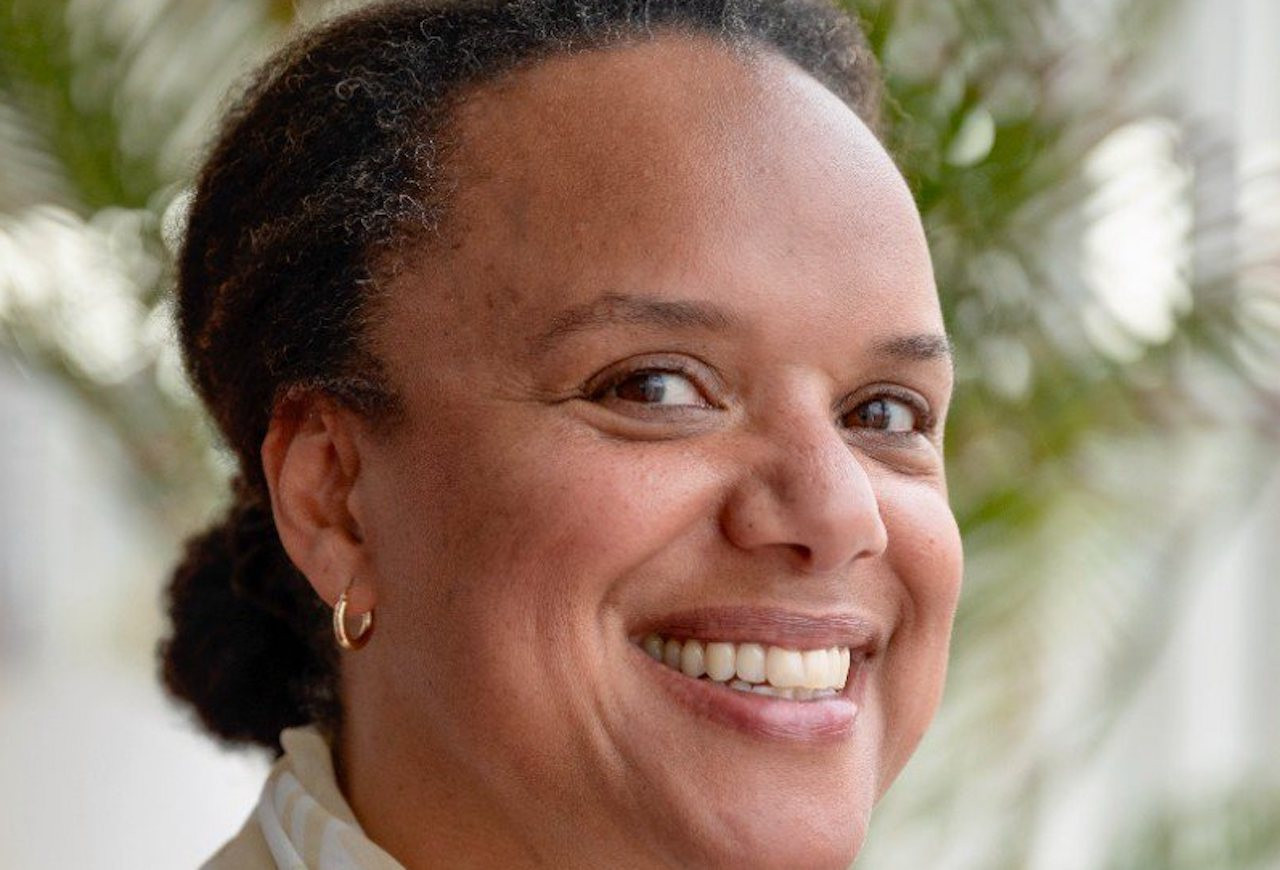
Carol Tarr
Partner & Co-Founder, Non-Extractive Capital
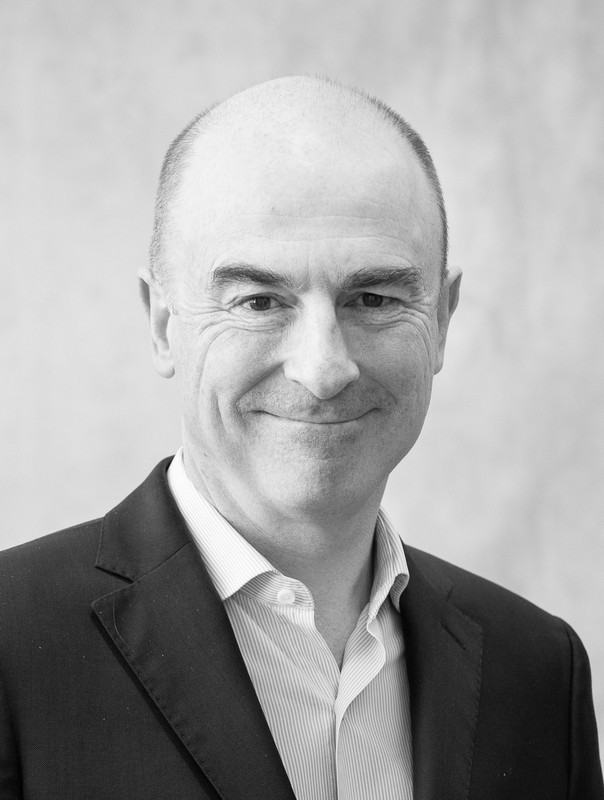
Pierre Guillet
President, Les EDC
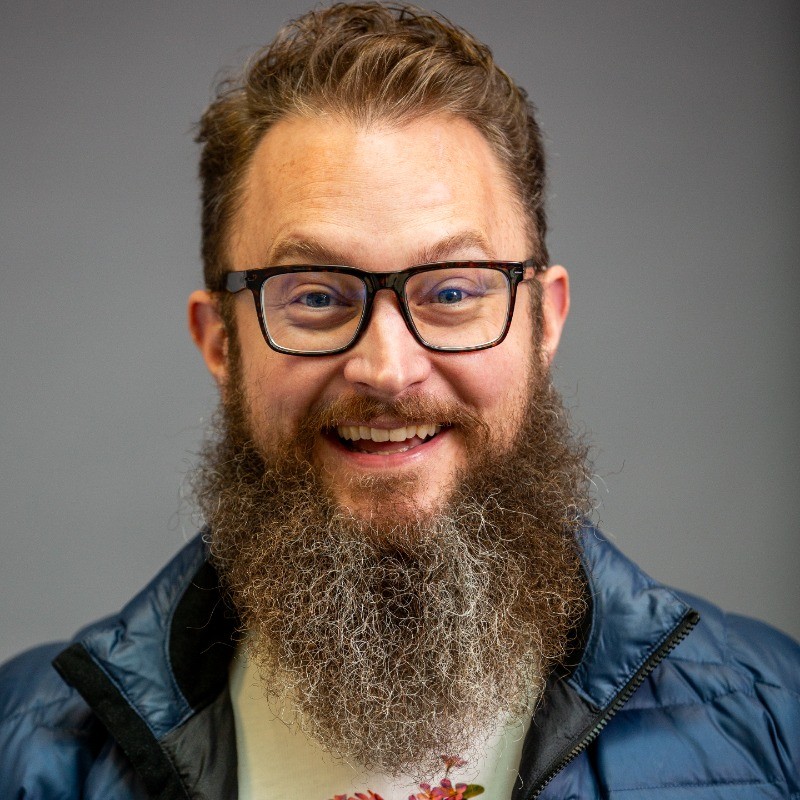
Taylor Black
Director, Microsoft AI
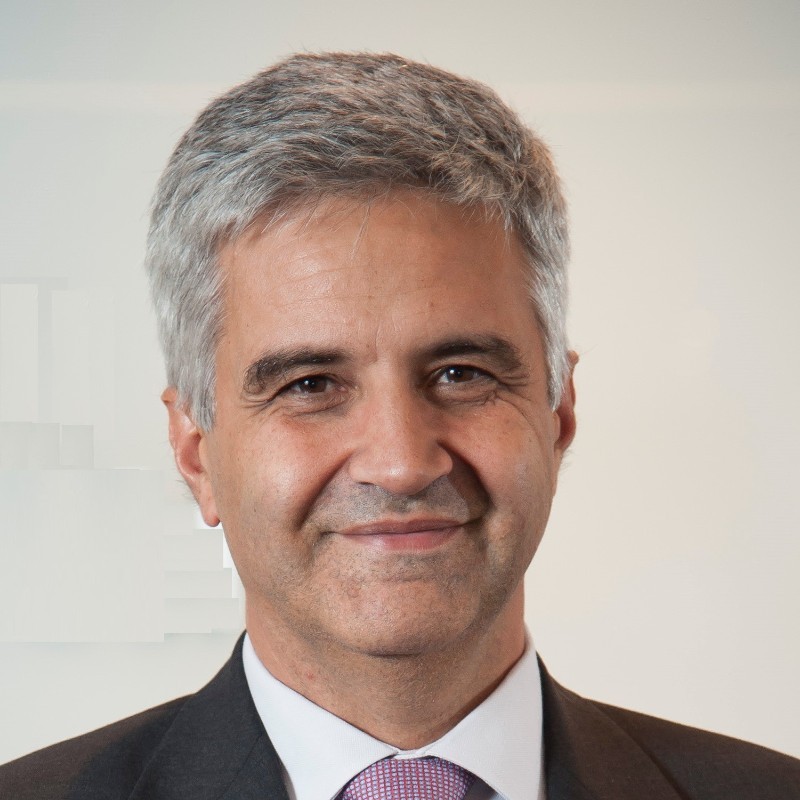
Joao Pedro Tavares
VP, Accenture Portugal
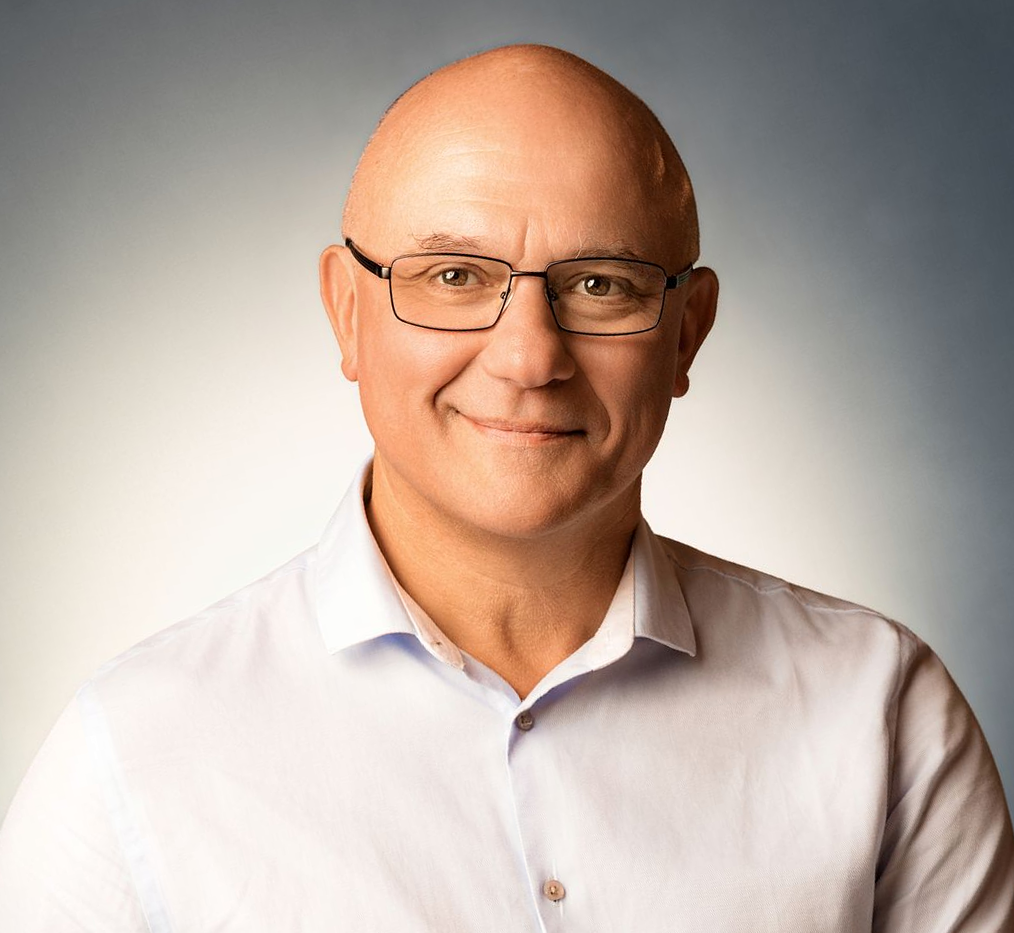
Grégoire Dacheux
Labor Court Judge
Join the Initiative
Share your testimony
The Hope & Algorithms Manifesto
A set of Catholic Social Thought-derived principles
BENEFIT
Algorithms are a benefit for Man, the co-creator and responsible individual who discerns their proper uses.
SHARED CONTROL
Let us ingeniously combine human intelligence and algorithms to guarantee intelligibility by the greatest number, autonomy and sovereign control by Man: There is no inevitability to elitist, enslaving, out-of-control or stupefying algorithms.
GARDENING
Algorithms also hold great promise for us to become better gardeners, stewards of natural resources and the beauty of Creation.
SUBSIDIARITY
Individuals and organizations must have the means to understand and decide for themselves the preferences of decision-making algorithms; these should not be regulated by more powerful organizations, nor implicitly pre-set by third parties without their knowledge.
VOCATION
The inimitable creativity of entrepreneurs is necessary to put algorithms at the service of the common good.
PERSON
Only the human person is created in the image of God, a sacred horizon of inalienable dignity: Artificial intelligences are merely artifacts for which Man remains solely responsible.
RISKS
We are called upon to venture into deep waters by undertaking projects in the age of artificial intelligence, taking just risks.
HUMAN ENCOUNTER
The balanced assistance of intelligent machines can, if their great liberating efficiency is directed, renew quality personal encounters and charity at the heart of economic and social relations.
WORK
Man needs to work to build himself: Let us undertake with algorithms not to prepare a leisure society but to allow everyone through balanced work to better serve the common good and his brothers.
FREEDOM OF CONSCIENCE
Beyond simple consent, respecting and awakening the personal and free conscience of each human being, particularly regarding data sharing and decision-making preferences, must be an imperative of any algorithmic service that elevates.
CONTEMPLATION
Man needs tranquility and contemplation to rise; balanced algorithmic services must preserve a large part of time for life without digital mediation and could never, whatever the future power of AI, reduce the human person to a set of data or computational determinations.
PARTICIPATION
Algorithms hold great promise for enabling everyone, including the poorest, to take control of their destiny and to fraternally take part in collective responsibility.
COMPETITION
Free, fair and honest competition, proactive resistance to the increased temptations of algorithmic monopolies, is an imperfect but decisive bulwark for a balanced and collaborative search for the common good.
UNIVERSAL DESTINATION
Although partial ownership of algorithmic services is necessary for the creative contribution of entrepreneurs, algorithms have a natural vocation to be shared with the greatest number; open source – open data are a good illustration of the universal destination of goods.
Thesaurus
Inspiring papers on AI, Christian Social Thought, and Entrepreneurship.
Acknowledgments & Credits
Initiative Founders & Facilitation
Etienne de Rocquigny & Augustin Destremau
Blaise Pascal Advisors
Co-founding Partners
Contributors
Thanks to all contributors including in particular Pierre Guillet, Rodrigo Whitelaw, Sigrid Marz, Fr Roberto Sirico, Stephen Barrows, Marius Rouger, Alejandra Pena, Romain Lavault, Antoine Couret, Gilles du Crest, Pierre-Yves Gomez, Benoit Gaillard, Emmanuel Blin, Bertrand Badré, Pierre de Lauzun, Robert Korom, Severine Herlin, Matthew Sanders, Wim Sweldens, Yves Caseau, Hervé Bry, Joao Pedro Tavares, Taylor Black, Tim Connors, Juan Antonio Perteguer, Thierry Barbotte, Francisco Rey Petit, Francois Pelissier, Simonas Bansevicius, Benson Chuma, Kevin Vallier, Henk Van Dalen, Gregoire Faucheux, Dominique Lambert, Matthew Santucci, Consuelo Summers, Patrice Cochin, Riccardo Ghidella, Isabelle d'Halluin and many others.
Keep posted !
Stay informed on the latest use-cases, events and community news.